Regular physical activity, such as walking or swimming, improves circulation and promotes skin health while providing a healthy outlet for stress. Adequate sleep (7–9 hours per night) is also essential, as it allows the skin to repair itself. By addressing stress and prioritizing overall well-being, you create an environment conducive to healing and long-term nasal health. Dermal Fillers are a versatile option for correcting nasal irregularities caused alcoholic nose before and after by alcohol-related skin damage. This treatment is particularly effective for addressing volume loss and reshaping the nasal contours without the need for surgery.
Table of Contents
Can Drinking Too Much Alcohol Delay or Hinder the Healing Process After Rhinoplasty?
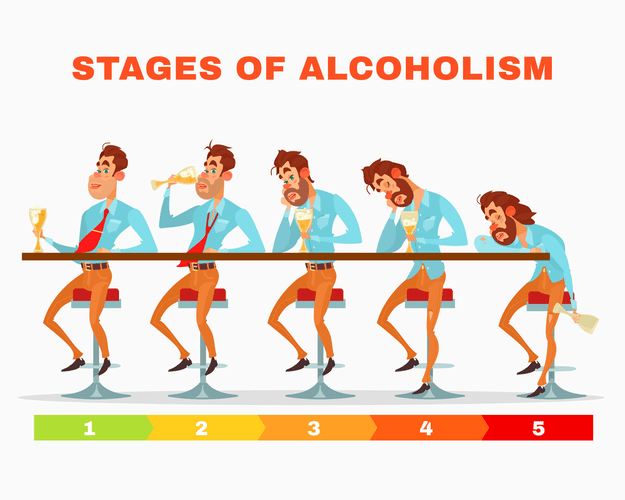
Continued alcohol abuse can lead to long-term damage to the brain, including memory loss and reduced cognitive function. Alcohol is a substance that is commonly consumed by people all over the world. However, while it may be enjoyable in moderation, excessive alcohol consumption can have detrimental effects on the body. People once believed that rhinophyma was caused by alcohol consumption, primarily due to media portrayals of drunk individuals with red, swollen noses. However, the link between alcohol and rhinophyma has since been disproven.
Contact Grand Falls Center for Recovery Today
These minor shifts can include slight drooping of the nasal tip, minor cartilage or skin relaxation, and changes in nasal support structures. However, these alterations typically do not significantly compromise the initial aesthetic or functional results. Rhinoplasty plays a significant role in transforming facial aesthetics by improving harmony and balance across features. During the procedure, the nose can be resized, reshaped, or refined to suit the individual’s unique facial structure. This adjustment helps other facial features, such as the eyes, lips, and cheeks, appear more proportionate and harmonious.
Bloody Nose After Drinking: Causes and Prevention
Long-term drinking can lead to enlarged blood vessels and visible spider veins, as well as puffiness and bloating due to water retention and increased oil production in the skin. Alcohol can also contribute to skin issues like acne, breakouts, premature ageing, wrinkles, and dark circles under the eyes. Additionally, alcohol interferes with the body’s DNA repair process, increasing the risk of skin cancer. Repairing an alcoholic’s nose, often referred to as alcoholic nose or rhinophyma, involves addressing the skin condition caused by prolonged alcohol abuse and rosacea. This condition leads to the thickening of the skin, enlarged pores, and what is alcoholism a bumpy, red appearance on the nose.
What Effects Does Alcohol Have on the Skin and Soft Tissues in the Nose After Rhinoplasty?
The results achieved look natural and are designed to complement the patient’s facial features, demonstrating the importance of a personalized approach. This procedure especially targets the nasal dorsum, helping to create a narrower, more proportionate appearance. By precisely repositioning the nasal bones, surgeons can significantly improve facial harmony without compromising nasal function. A pressure dressing helps to limit movement in the area and reduce the risk of complications such as fluid accumulation or infection. Patients are typically advised to wear the pressure dressing for several days, depending on the location and size of the surgical wound. After undergoing Mohs surgery, it’s common for patients to experience pain and discomfort.

Alcohol and Oily Skin
- Common physical signs of alcohol abuse include bloodshot eyes, trembling hands, frequent sweating, flushed skin, weight changes, and poor coordination.
- For example, reconstructive approaches that reinforce nasal support are especially beneficial in older patients to prevent deformities over time.
- Avoiding these flare-ups can keep rhinophyma from getting worse or resurfacing after treatment.
- Alcohol also dehydrates the skin, exacerbating inflammation and tissue damage.
By avoiding heavy lifting, strenuous activities, and following a healthy diet, you can prepare your body for a smoother and faster recovery after the surgery. If you have any questions or concerns about your physical limitations or restrictions, be sure to speak with your doctor to ensure a safe and successful surgical experience. It’s also important to follow any dietary restrictions recommended by your doctor. Certain foods and drinks can also increase the risk of complications during the surgery, so it’s important to follow any guidelines provided by your healthcare provider. This includes avoiding caffeine, alcohol, and fatty or greasy foods that could upset your stomach or interfere with the anesthesia used during the surgery.
Younger patients tend to experience more dramatic and predictable results, such as significant refinement of nasal shape and size, aided by youthful skin elasticity. In contrast, older individuals often prefer subtle, natural modifications that enhance facial harmony without appearing drastic. Rhinoplasty effectively corrects crooked noses and enhances facial symmetry. Patients often seek both aesthetic improvements and functional benefits, such as improved breathing.